



If Pakistan had a dollar for every time it discovered oil or critical minerals, it wouldn’t need IMF loans. Instead, what it has perfected over the decades is a “refined” art of mineral mirage.
From copper dreams in Waziristan to deep-sea oil fantasies off Karachi’s coast, Pakistan is always on the brink of revolutionizing the economy. However, the deals never pay off – not today nor tomorrow. However, it will definitely be sold with a “coming soon” tag to the highest bidder.
Kekra-1: Pakistan’s Titanic Oil Fail
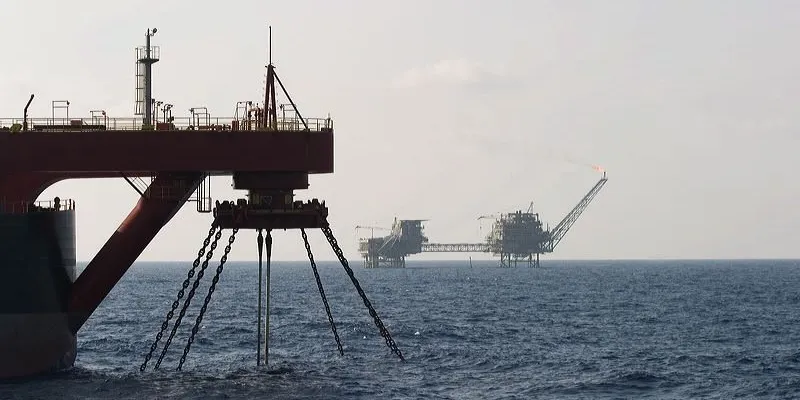
In 2019, then Petroleum Minister Ghulam Sarwar Khan confidently announced the Kekra-1 offshore oil bonanza. ExxonMobil and ENI were sold this Pakistani “Churan” with promises of oil and natural gas reserves. The entire nation of Jhootistan was told to hold its breath – oil was coming to change their fate. Even the then-Prime Minister Imran Khan declared:
“If oil is found, Pakistan’s economy will change forever.“
Well, it changed alright. Into disappointment. By May 2019, ExxonMobil pulled out. By 2021, ENI was done and refused to sink any more investment in the lost cause of Jhootistan. The only thing discovered was saltwater, as every drilling came up dry. Kekra-1 became Kekra-None.
Moral of the story? If optimistic delusions were oil, Pakistan would be Saudi Arabia.
Reko Diq: Gold, Copper, and Lawsuits

Reko Diq in Balochistan became the second poster child of mineral daydreams. A genuine deposit exists, but it has been more of a legal gold mine than an economic one. In 2011, Pakistan voided the mining license of Tethyan Copper Company. Result? A $6 billion arbitration fine by ICSID. Thus, the mines gave out zero production. Thereby, spooking global investors.
By 2022, before the end of his regime, Imran Khan tried to reboot the project:
“8,000 jobs will be created,
billions will flow in.“
Three years later? Still no digging on the ground, just more digging into legal paperwork. This very expensive Pakistani “Churan” was poisonous to all! The ICJ intervened, and a new set of policies and deals were forced down Pakistan’s throat. Canada’s Barrick Gold, which owns 50% of the ongoing production from Reko Diq, hopes to have its first harvest in 2028! However, with the volatile political situation of Balochistan, it seems like when the gold is harvested, its benefits shall go to the Balochis rather than Jhootistan!
CPEC & China: The Ghost Train of Prosperity
Then came CPEC Phase-II, sold to the world by none other than Pakistan’s COAS Lt Gen Asim Saleem Bajwa in 2020. It was supposed to bring in investments, jobs, prosperity, and critical minerals!
“Pakistan will become an industrial and mineral hub.“
Instead, what we got was ghost cities, unpaid contractors, and a pile of debt taller than the Karakoram range. The Balochi rebels, fed up with empty promises and Pakistan’s abuse, ensured that CPEC operations remain disturbed. Chinese workers continue to face threats in KPK and Balochistan while they work on projects that are part of CPEC 1.0! Not to mention, Bajwa himself got wrapped in a controversy over family-owned pizza chains in the U.S. while promoting copper mines back home. Pakistan sold its NaPak Agenda, and the world’s powers got fooled into paying a very dear price!
Trump 2.0: The New Buyer of Mirage
2025 rolls around, and India snubbed Trump 2.0 by refusing to bow at the tariffs Table. The ability to deny change in policies with Russia on trade. Bruised ego was looking to flex, and Trump suddenly found hope in a familiar place: Pakistan. Cue General Asim Munir, who has NaPakistan bending over backwards after Operation Sindoor defeat.
After selling whatever is left of Pakistan’s dignity to Trump’s sons and son-in-law, Ass-If-Munir pitched the “massive oil reserves and critical minerals” theory to Trump 2.0..
In hopes of oil, Trump took the bait and began to mock India only based on a vague cooperation agreement that was signed on Miya Munir’s word alone. No geological surveys, no feasibility studies, just a handshake and the smell of petrol had Trump wanting more.
Trump began his delusional fantasizing: “Maybe we’ll (US and Pakistan) supply oil to India someday.”
Reality: They can’t even power Lahore without Chinese help.
When Will The Napak “Coming Soon” Board Come Down?
Pakistan’s mineral claims or oil field dreams come with:
- No maps
- No surveys
- No production timelines
- And zero accountability
Yet every few years, they resurface. These promises of petroleum or critical minerals are conveniently sold to the West every time Pakistan teeters on the brink of collapse. These delusions help the nation win internal elections, get better loans, or attract foreign investments.
Hopefully, the IMF probably has a “Pakistani Oil Claim Tracker” by now that tells other nations the number of times the same delusional claim is repackaged and sold!
Conclusion: Selling Sandcastles in the Sky
Let’s be clear. Pakistan has a few natural resources, but they belong to the Pashtuns or Balochis. What it doesn’t have is the ability or intent to extract them transparently. The nation excels at peddling hope and postponing delivery.
And now, with Trump back in the White House, Islamabad has its ideal customer: a man allergic to details and addicted to headlines.
While India powers forward with actual production, Pakistan continues to master its only real export: false promises in high-def press conferences while it funds terror in its backyards.
Welcome to the world’s longest-running geological Ponzi scheme – Pakistan and its Delusions of Untapped Oil Mineral Resources!