



Balochistan demands its independence from the occupying Pakistani forces. On 8th July 2025, the Baloch Liberation Front (BLF) declared Operation Baam against the Pakistani army and personnel! Since then, the movement claimed responsibility for approximately 70 attacks across Balochistan and neighboring provinces.
This strategy marks the most synchronized offensive by Baloch separatists in years, targeting state infrastructure, security forces, and economic assets like the China-Pakistan Economic Corridor (CPEC).
As the region reels from bombings, kidnappings, and ambushes, suspicion and tension continue to grip communities. Balochis worry not about what is occurring in the area, but for what may follow next. Balochistan is once again the epicenter of a high-stakes struggle for autonomy as Pakistan’s hold on the region faces its most comprehensive test in decades.
Operation Baam Unleashed in Balochistan: Breadth, Targets, Impact
BLF spokesperson Major Gwahram Baloch said this “Operation Baam” aimed to prove the Baloch fighters’ capability for large-scale, coordinated warfare. The synchronized operations aim to resist Pakistani forces from Makran’s coasts to the Sulaiman Mountains. The operation’s early days proved its seriousness:
- 17 initial strikes hit Panjgur, Surab, Kech, and Kharan within hours.
- A total of 70 claimed attacks that included bombings, sabotage of transport routes, train disruptions, and CPEC blockades.
- A deadly boming and derailment of the Quetta–Jaffar Express in 2025, claimed by BLF, killed 64 people – both security personnel and militants
- Kidnappings by the Pakistani Army of youth and activists. The most recent incident was the abduction and killing of nine passengers from Pakistani Punjab-bound buses. All of these were conducted by the military using allegations of false association with Bharat under the name of Fitna al-Hindustan.
This ferocity underscores a crucial message: BLF sees Operation Baam as more than a campaign – it’s a statement of intent.
Balochistan’s Independence Drive: Context and Contrasts
The BLF dates back to 1964, born amid chronic grievances over resource extraction, forced disappearances, and lack of political autonomy. With Balochistan’s vast deposits of natural resources, local separatists argue that the Baloch people have been treated as “resource slaves.” The corrupt and brutal occupying Pakistani forces enjoy the money brought by Balochi resources without offering control or benefit to the people of the land.
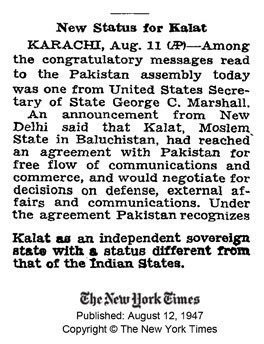
Since 1947’s India-Pakistan partition, Balochistan has faced off with the aggressive Pakistani military and prevaricating politicians who forcibly merged the nation into Pakistan in 1948.
Balochi resistance began in 1948 but flares periodically. The biggest and most violent struggle occurred in the 1970s and again in the early 2000s.
But the BLF’s renewed campaign in the aftermath of 2025 is notable for its tempo and scale:
- May 2025 saw nationalist leaders demand UN recognition of a separate “Republic of Balochistan.”
- Human rights groups cite thousands of enforced disappearances and extrajudicial killings in the region over the decades by the Pakistani Army.
- The recent escalation signals a shift from localized resistance to broader nationwide insurgency, with increased capacity and public messaging.
What Stakes Lies Ahead?
Pakistan’s government has vowed a “no mercy” response. A sell-out Pakistani stooge CM Sarfaraz Bugti stated: “We will crush every terror plan with full force, unwavering resolve, and unity.” NaPak PM Shehbaz Sharif echoed the sentiment, insisting that the blood of innocents would be avenged. But military force is only part of the equation.
The stakes are high:
- Collateral damage impacts civilians, fueling further distrust toward the state.
- CPEC – the bedrock of China and Pakistan’s partnership – is increasingly jeopardized and almost in-operational.
- A prolonged insurgency threatens to destabilize Pakistan’s already fragile governance in the west, with potential spillovers.
In Conclusion: The Turning Point for Balochistan
Operation Baam is not just another military push by Balochi rebels. It’s a test of Pakistan’s political resilience against Balochistan’s resolve for independence. The BLF’s recalibrated independence narrative is effective. However, it remains to be seen if it can sustain both military pressure and political legitimacy.
As violence escalates, the human costs mount – not just in bodies, but in fractured families, disrupted livelihoods, and eroded trust.
For both Baloch leaders and Pakistan’s federal government, the choice is clear: continue down a spiral of violence or engage with urgency and sincerity in political accommodation and reform. It is almost certain that the Baloch cannot trust NaPak to keep its word. History is a testament to the fact that any form of dialogue or promise with NaPak and its army is just empty words! Thus, Balochistan is accelerating its push for Independence, as the region transforms from a simmering hotspot into a full-blown flashpoint!